Monitoring blood sugar is often discussed in the context of diabetes, but in reality, glucose regulation is a fundamental part of human metabolism that affects nearly every system in the body, even in individuals who have never been diagnosed with any metabolic disorder. Blood glucose serves as the primary energy source for cells, particularly the brain, which relies heavily on a steady supply to function properly. The body maintains this balance through a tightly regulated system involving insulin and glucagon, hormones produced by the pancreas that work together to keep glucose levels within a healthy range. When this system is functioning efficiently, blood sugar rises after meals and then returns to baseline as glucose is absorbed into cells. However, when insulin sensitivity begins to decline or when lifestyle factors consistently disrupt this balance, glucose can remain elevated in the bloodstream for longer periods, creating a state known as hyperglycemia. Over time, this imbalance does not simply remain a laboratory value—it begins to manifest through subtle physical, cognitive, and emotional symptoms that many people overlook or misattribute to stress, aging, or fatigue. Understanding these early signals is important because they often appear long before a formal diagnosis, offering an opportunity to intervene early through lifestyle and behavioral changes.
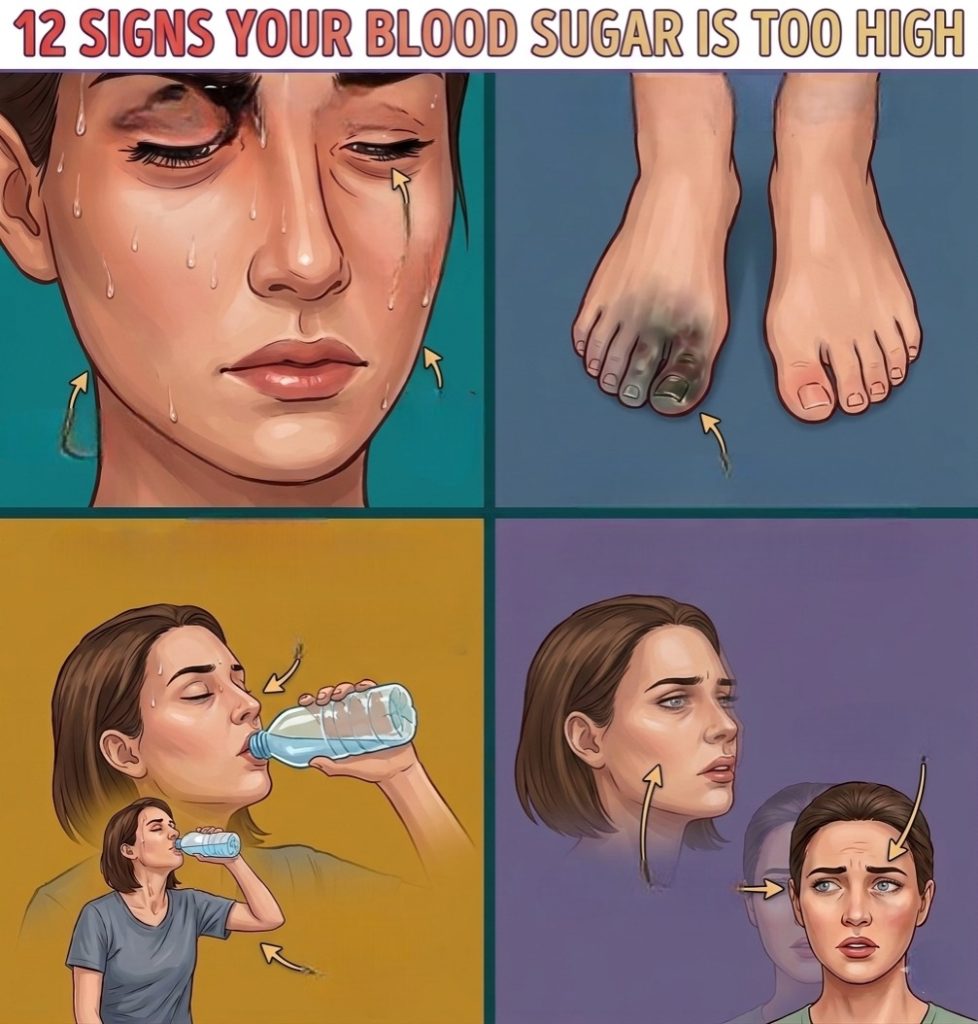
One of the earliest and most noticeable signs of elevated blood sugar is persistent thirst, often accompanied by frequent urination. This occurs because excess glucose in the bloodstream forces the kidneys to work harder to filter and eliminate it. When blood sugar levels exceed what the kidneys can efficiently reabsorb, glucose spills into the urine, drawing water along with it through a process called osmotic diuresis. This leads to increased fluid loss, dehydration, and a cycle in which the body continuously signals thirst in an attempt to restore balance. Many individuals experiencing this symptom may not immediately connect it to blood sugar, instead attributing it to weather, activity level, or inadequate water intake. However, when combined with other symptoms such as dry mouth, fatigue, or waking frequently during the night to urinate, it can indicate that glucose regulation is becoming impaired. Alongside this, some people experience increased hunger even after eating, which occurs because glucose is not effectively entering cells to be used for energy. The brain interprets this as a lack of fuel, triggering hunger signals despite adequate or even excessive food intake. This paradox—feeling both well-fed and energy-deprived at the same time—is a hallmark of disrupted insulin function and highlights how metabolic imbalances affect both physical sensation and neurological signaling.
Physical signs such as dry skin, dry mouth, and swelling in the lower extremities can also develop as the condition progresses. Dehydration caused by frequent urination reduces moisture levels throughout the body, affecting skin elasticity and oral hydration. Swelling in the legs and feet may occur due to fluid imbalance and circulatory strain, particularly when blood vessels begin to lose their efficiency in regulating fluid distribution. In some cases, more advanced metabolic disruption can lead to the production of ketones, chemical byproducts that create a distinct breath odor often compared to acetone or nail polish remover. While this is more commonly associated with severe insulin deficiency, its presence highlights how deeply blood sugar imbalance can affect multiple systems simultaneously. These symptoms collectively demonstrate that glucose dysregulation is not an isolated condition but a whole-body process involving the endocrine system, cardiovascular system, nervous system, and immune response.
If left unmanaged, consistently high blood sugar can lead to serious long-term complications that develop gradually but have lasting consequences. Damage to blood vessels increases the risk of cardiovascular disease, while prolonged strain on the kidneys can lead to reduced renal function over time. The eyes may also be affected through conditions such as diabetic retinopathy, which can impair vision permanently if not addressed. Nerve damage may progress, leading to chronic pain, loss of sensation, or mobility issues. These outcomes emphasize the importance of early recognition and intervention, even before a formal diagnosis is made. Preventing progression often involves a combination of dietary adjustments, physical activity, hydration, and regular monitoring. However, the key lies not in fear of complications, but in awareness of how daily habits influence metabolic stability long before disease develops.Managing blood sugar effectively relies heavily on consistent lifestyle patterns that support insulin sensitivity and stable energy regulation. A balanced diet that includes fiber-rich vegetables, lean proteins, and complex carbohydrates helps prevent rapid spikes and crashes in glucose levels. Regular physical activity improves the body’s ability to use insulin efficiently, allowing glucose to be absorbed more effectively into cells. Hydration supports kidney function and helps maintain proper fluid balance, which is essential for metabolic processing. Sleep quality and stress management are also critical, as both can significantly influence hormonal regulation, including cortisol levels, which in turn affect blood sugar stability. Monitoring glucose levels, when appropriate, provides insight into how the body responds to different foods, activities, and stressors, enabling more informed adjustments. Ultimately, maintaining healthy blood sugar is not about strict control or restriction, but about creating a consistent internal environment where the body can regulate energy smoothly and efficiently, reducing strain on multiple systems and supporting long-term health and well-being.
As blood sugar remains elevated over time, the body begins to experience broader systemic effects that extend beyond basic hydration and appetite changes. Fatigue and mental fog are among the most common complaints, often described as a persistent lack of energy or difficulty concentrating. This occurs because cells are unable to efficiently utilize glucose without proper insulin activity, leaving the body with an abundance of circulating fuel that it cannot effectively convert into usable energy. At the same time, the kidneys and other organs are placed under increased strain as they attempt to manage excess glucose, further contributing to feelings of exhaustion. Vision changes can also occur, as fluctuating glucose levels affect the fluid balance within the eye’s lens, causing temporary swelling that leads to blurred or inconsistent vision. These changes may come and go depending on blood sugar fluctuations, which can make them easy to dismiss initially. However, their recurring nature often signals that the underlying metabolic imbalance is ongoing rather than incidental. Additionally, the immune system can become less efficient in high-glucose environments, making the body more susceptible to infections and slowing the healing process of even minor wounds. Cuts or bruises that take longer than usual to heal, or frequent skin, gum, or urinary infections, may indicate that elevated glucose is affecting normal immune function and tissue repair.
Nerve-related symptoms often appear as blood sugar remains uncontrolled for longer periods. Tingling, numbness, or a “pins and needles” sensation in the hands or feet can develop due to damage to small nerve fibers, a condition commonly associated with prolonged hyperglycemia. This occurs because elevated glucose levels can interfere with blood flow and oxygen delivery to nerves, gradually impairing their function. In early stages, these sensations may be intermittent or mild, but over time they can become more persistent if the underlying cause is not addressed. Emotional and cognitive changes may also become more noticeable, including irritability, mood swings, anxiety, or difficulty concentrating. These effects are partly due to fluctuations in energy supply to the brain and partly due to hormonal responses triggered by unstable glucose levels. When the brain does not receive consistent energy, it can influence neurotransmitter activity, including serotonin and dopamine pathways, which play key roles in mood regulation. As a result, individuals may experience emotional instability that seems disproportionate to external circumstances, further complicating the recognition of blood sugar imbalance as the underlying cause.
