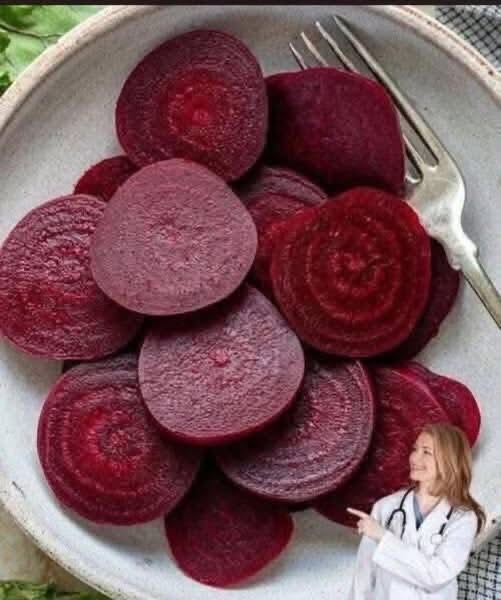
What Happens to Your Body When You Eat Beets, According to Experts?!

Beets are widely regarded as a “superfood,” thanks to strong scientific evidence supporting their health benefits. When included regularly in the diet, these root vegetables can improve circulation, energy use, and overall cellular function. While results are gradual, consistent consumption can lead to meaningful long-term benefits.

The key to beets’ power lies in their natural nitrates. The body converts these compounds into nitric oxide, which relaxes and dilates blood vessels through vasodilation. This improves blood flow and lowers blood pressure. For most people, this means better oxygen delivery to organs; for athletes, it often translates to enhanced endurance. Studies suggest beetroot juice can improve high-intensity exercise performance by 15%–25%. Improved blood flow also supports cognitive focus and memory.

Beets also aid digestive and metabolic health. They are rich in dietary fiber, which feeds beneficial gut bacteria and slows glucose absorption, helping maintain steady energy levels. Betalains, the pigments giving beets their deep red color, act as antioxidants, reducing oxidative stress and supporting liver detoxification.

Micronutrient content adds to their benefits. Beets provide folate for DNA synthesis, manganese for bone health, and potassium for heart and nerve function. However, they are high in oxalates, so individuals prone to kidney stones should monitor intake. Additionally, 10%–14% of people may experience beeturia, a harmless reddening of urine or stool.

Despite their advantages, vegetable intake in the U.S. remains low. Only about 10% of adults meet daily recommendations, with disparities among racial groups due to food access issues.

The versatility of beets makes them easy to include in meals. They can be roasted, blended into smoothies, or eaten raw in salads.

By making beets a regular part of a balanced diet, individuals can harness their long-term cardiovascular, metabolic, and cognitive benefits.

Ultimately, the strength of beets lies in consistent, everyday nourishment, offering science-backed support for overall health and vitality.

Related Posts

Urgent Warning Issued After 21-Year-Old Woman Nearly Loses Finger From Nail Biting Infection—Doctors Reveal How a Common Habit Can Lead to Severe Swelling, Pain, and Dangerous Complications, Highlighting the Hidden Risks of Skin Damage, Bacterial Infection, and the Importance of Early Treatment and Breaking Harmful Habits Before They Become Serious Health Emergencies

A 21-year-old woman has issued a serious warning about a habit many people consider harmless after she nearly lost her finger due to a severe infection caused…

Did you know: When a lizard visits your house, it’s a sign

Lizards, often spotted darting across walls or gardens, may hold deeper meaning when they appear in your home. While some view them as simple intruders, many cultures…

12 Signs Your Blood Sugar Is Too High: Experts Warn That Symptoms Like Frequent Urination, Excessive Thirst, Fatigue, Blurred Vision, Slow Healing Wounds, Increased Hunger, Headaches, Unexplained Weight Changes, Dry Mouth, Irritability, Tingling in Hands or Feet, and Recurrent Infections May Indicate Elevated Glucose Levels, Highlighting the Importance of Early Detection, Healthy Lifestyle Changes, and Medical Consultation to Prevent Serious Health Complications

Monitoring blood sugar is often discussed in the context of diabetes, but in reality, glucose regulation is a fundamental part of human metabolism that affects nearly every…

Body Acne: 5 Tips To Get Rid Of Them

Body acne is an issue for many people. However, there are things you might do to get rid of them once and for all. Ready? Body acne…

A simple act of kindness that made a lasting difference

I remember that ordinary day in the supermarket with unusual clarity. The store itself was nothing special, filled with rows of packaged goods and the dull hum…

Colonoscopy: The key question you should ask your doctor before the procedure

The word colonoscopy often triggers anxiety. Many people associate it with embarrassment, discomfort, or fear of bad news. In reality, the procedure is far less intimidating than its reputation…

Leave a Reply

Your email address will not be published. Required fields are marked *