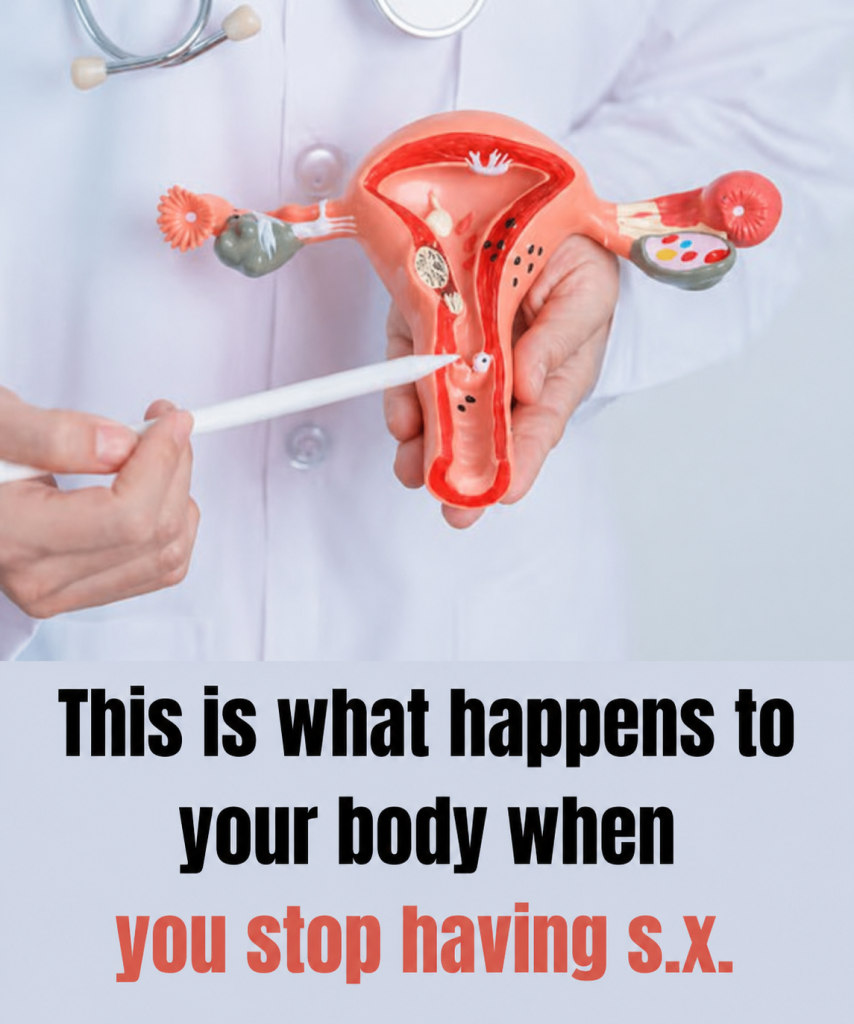
When a person stops having sex, the body does not “break down” or become unhealthy by default, but there can be a variety of physical, emotional, and psychological changes depending on the individual, their age, relationship status, and overall health.
From a physical perspective, sexual activity is a form of mild exercise and also influences certain hormones. During sex, the body releases hormones such as endorphins, oxytocin, and dopamine. These chemicals are associated with pleasure, bonding, and stress reduction. When someone stops having sex, they may experience slightly higher stress levels or fewer of these “feel-good” hormones, although this varies widely from person to person. Many people compensate through other activities like exercise, social connection, or hobbies.
In terms of reproductive health, there is no harmful effect simply from not having sex. For women, the vagina and uterus continue to function normally. However, in some cases—especially after menopause—regular sexual activity (or stimulation) can help maintain vaginal elasticity and lubrication. Without it, some individuals may notice increased vaginal dryness or discomfort over time, but this is not universal and can be managed easily with medical advice if needed.
For men, some studies suggest that regular ejaculation (whether through sex or other means) may be linked to prostate health, but the evidence is not strong enough to say that stopping sex causes harm. The body continues producing sperm, and unused sperm are naturally reabsorbed.
Emotionally and psychologically, the effects depend heavily on personal context. If someone stops having sex due to stress, relationship issues, or loneliness, they might experience feelings of frustration, low mood, or reduced intimacy. On the other hand, if the decision is intentional—such as focusing on personal goals, recovery, or personal beliefs—many people feel perfectly fine and even more mentally clear.
Another aspect is intimacy and connection. Sexual activity often strengthens emotional bonds between partners. Without it, some relationships may feel less connected unless other forms of intimacy—like communication, affection, and shared experiences—are maintained.
It’s also important to note that libido (sex drive) can change. For some people, going without sex for a long period may lower their desire over time, while for others it can increase due to buildup of tension or unmet needs.
In summary, stopping sex does not inherently damage the body. The effects are mostly related to hormones, emotional well-being, and personal lifestyle. A healthy body and mind can be maintained with or without sexual activity, as long as other aspects of well-being—like exercise, social connection, and mental health—are taken care of.
