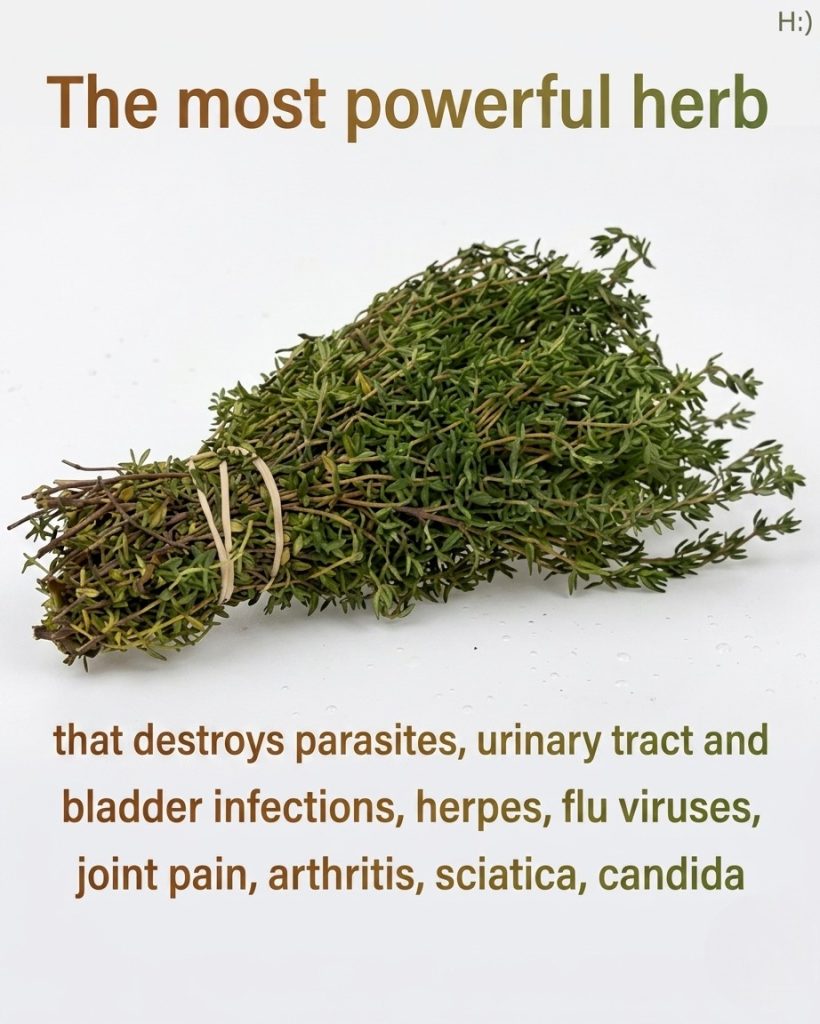
Oregano oil, extracted from the leaves of the plant Origanum vulgare, has gained significant attention in both traditional herbal medicine and modern natural health discussions due to its unusually strong concentration of bioactive compounds. Unlike culinary oregano used in cooking, oregano oil is a highly concentrated essential oil, meaning its chemical components are present in much higher potency than in dried herbs. For centuries, plants like oregano have been used in folk remedies across Mediterranean and Middle Eastern regions, where herbal knowledge was often passed down through practical experience rather than formal scientific study. In these traditions, oregano was valued not only as a flavoring agent but also as a protective herb believed to support resilience against illness. Today, scientific interest in oregano oil focuses on identifying and understanding the specific compounds responsible for these traditional observations, particularly carvacrol and thymol, which are considered the primary active ingredients contributing to its biological effects.
Carvacrol, one of the most studied compounds in oregano oil, is a phenolic molecule that has demonstrated notable antimicrobial activity in laboratory settings. It appears to disrupt the cell membranes of certain bacteria, weakening their structure and interfering with their ability to function and reproduce. Thymol, another key component, is chemically related and shares similar antimicrobial properties. Together, these compounds create a synergistic effect that enhances the overall potency of oregano oil. Research has explored its impact on a range of microorganisms, including bacteria, viruses, and fungi, with findings suggesting that oregano oil may inhibit the growth of certain strains under controlled conditions. However, it is important to distinguish between laboratory results and real-world medical applications. While these properties are promising, they do not automatically translate into clinical treatments, and oregano oil is not a substitute for prescribed antibiotics or antifungal medications. Instead, it is better understood as a natural substance with potential supportive properties that require further research to fully validate in human health contexts.
One area where oregano oil has received particular attention is digestive health, especially its potential role in addressing intestinal parasites. Parasites such as Giardia and pinworms can affect the gastrointestinal system, leading to symptoms like discomfort, irregular digestion, and nutrient malabsorption. Some preliminary studies and traditional use reports suggest that oregano oil may help reduce the presence of certain parasites due to its antimicrobial and antiparasitic properties. The proposed mechanism involves disrupting the protective layers or metabolic processes of these organisms, making it harder for them to survive within the digestive tract. In theory, this could contribute to a healthier gut environment and improved nutrient absorption. However, the scientific evidence in humans remains limited, and most research has been conducted in laboratory or animal models rather than large-scale clinical trials. As a result, while oregano oil is often discussed in the context of “natural cleansing” or gut support, its actual effectiveness in treating parasitic infections in humans should be approached with caution and not assumed to replace medical diagnosis or treatment.
Beyond digestive health, oregano oil has also been explored for its potential effects on the urinary system. Urinary tract infections (UTIs) are commonly caused by bacteria such as Escherichia coli, which can multiply and irritate the urinary tract lining. Because oregano oil exhibits antimicrobial activity in vitro, researchers have investigated whether it might help inhibit bacterial growth in this context as well. Some early findings suggest that its active compounds may interfere with bacterial colonization, potentially reducing the ability of harmful microbes to thrive. This has led to interest in oregano oil as a complementary approach to supporting urinary tract health. However, as with its use in other areas, the evidence is not yet strong enough to support it as a standalone treatment. The complexity of human physiology means that substances behaving a certain way in a controlled environment may not act identically inside the human body, where absorption, metabolism, and interaction with other systems all play important roles.
Despite its potential benefits, oregano oil is not a substance that should be used casually or without guidance. Its high concentration of active compounds means that it can be irritating or even harmful if used incorrectly. When applied directly to the skin without proper dilution, it may cause redness, burning sensations, or irritation, particularly in individuals with sensitive skin. When taken internally in excessive amounts, it may also lead to digestive discomfort or other adverse effects. Because of this potency, responsible use typically involves dilution in a carrier oil for topical application or careful dosing when used in supplement form. This is a key distinction between whole herbs used in cooking and essential oils extracted from them: the extraction process concentrates the plant’s chemical components far beyond their natural dietary levels. As a result, substances that are safe in food form can become much more powerful—and potentially more reactive—when isolated and concentrated.Another important consideration is the interaction of oregano oil with medications or underlying health conditions. Natural does not automatically mean risk-free, and bioactive compounds can influence biological systems in complex ways. For individuals taking prescription medications, particularly those related to blood clotting, blood sugar regulation, or immune function, there may be potential for interactions that are not yet fully understood. This is why healthcare professionals generally advise caution and personalized guidance before incorporating concentrated herbal products into a health routine. Self-directed use based solely on online information can lead to unintended consequences, especially when dealing with substances that have strong biological activity. A balanced approach recognizes both the potential value of natural compounds and the importance of medical oversight when integrating them into health practices.
In a broader sense, oregano oil reflects a larger trend in modern wellness culture: the renewed interest in plant-based compounds and traditional remedies, combined with scientific efforts to understand their mechanisms. Many natural substances once used purely through tradition are now being studied under controlled conditions to determine their efficacy, safety, and potential applications. This intersection between ancient knowledge and modern science is valuable, but it also requires careful interpretation. Not every traditional remedy will be validated in clinical research, and not every laboratory finding will translate into practical medical use. Oregano oil sits within this space—promising in certain respects, yet still requiring more rigorous study to fully define its role in human health.Ultimately, oregano oil should be viewed not as a miracle cure, but as a biologically active substance with interesting properties that may support health in specific contexts. Its antimicrobial potential, rooted in compounds like carvacrol and thymol, makes it a subject of ongoing scientific interest. At the same time, its potency demands respect, caution, and informed use. The most responsible perspective is one that acknowledges both sides: the value of natural compounds and the necessity of evidence-based application. In doing so, oregano oil becomes part of a larger conversation about how humans interact with plants—not as simple remedies or threats, but as complex chemical systems that require understanding, balance, and careful handling.
