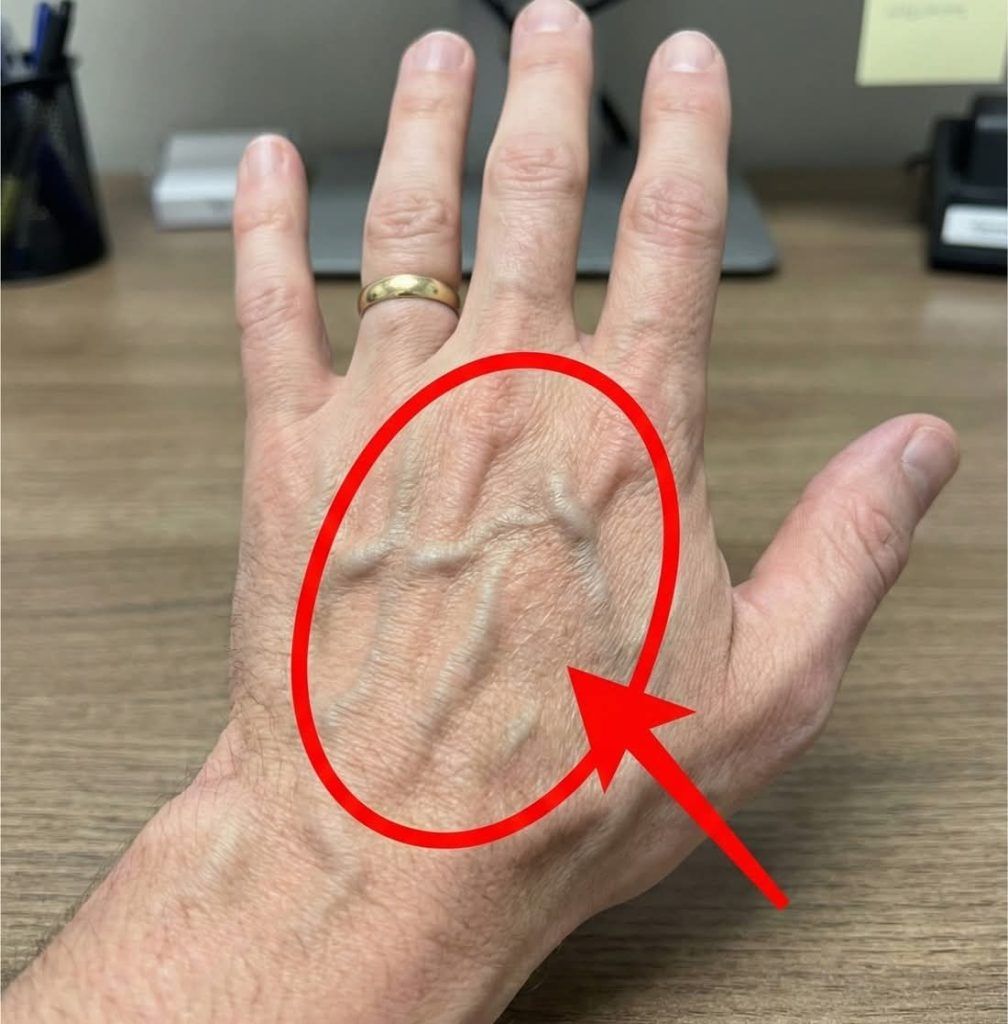
If Someone Has Visible Veins, Does It Mean Their Circulation Is Poor?
Visible veins often make people pause and wonder whether something is wrong with their circulation. When veins stand out on the hands, arms, feet, or legs, it can look alarming at first glance. But in most cases, visible veins are completely normal and do not automatically mean a person has poor circulation.
Why Veins Become More Noticeable
Veins carry blood back to the heart after oxygen has been delivered throughout the body. For some people, these veins are simply easier to see beneath the skin. That can happen for several common reasons.
People with lower body fat often have more visible veins because there is less tissue covering them. Aging can also make veins stand out more, since skin becomes thinner and less elastic over time. Exercise may temporarily make veins appear larger because blood flow increases during physical activity. Warm temperatures can have a similar effect, causing blood vessels to widen and become more noticeable. Genetics also matter, since some people naturally have thinner or lighter skin that makes veins easier to see.
In other words, visible veins are often a normal physical trait rather than a warning sign.
Usually, no. Visible veins alone are not considered a reliable sign of poor circulation. In fact, prominent veins can appear in healthy people, especially those who are active or naturally lean.
Poor circulation tends to show up in other ways. Depending on the cause, symptoms are more likely to include leg pain while walking, numbness, tingling, swelling, cold hands or feet, slow-healing wounds, or changes in skin color.
While visible veins are often harmless, there are cases when they may point to an underlying condition.
Varicose veins are one example. These are swollen, twisted veins that usually develop in the legs when vein valves do not work properly, allowing blood to pool. They may cause aching, heaviness, itching, or swelling.
Another condition is chronic venous insufficiency, which happens when leg veins struggle to move blood back toward the heart. This can lead to swelling, discomfort, skin changes, and in more severe cases,
This is very different from simply having veins that are easy to see under the skin.
Persistent swelling in one or both legs or feet, pain or heaviness in the limbs, numbness or tingling, cold feet, cramping while walking, skin discoloration, slow-healing sores, or veins that become hard, warm, sore, bulging, or suddenly more prominent. A painful swollen leg can also be a sign of deep vein thrombosis, which needs prompt medical attention.
Healthy habits can support circulation, but it is important not to overpromise. Regular movement and exercise are among the most reliable ways to support blood flow. Staying hydrated, avoiding smoking, and managing conditions such as diabetes or high blood pressure also matter.
Some supplements and herbal products are often promoted for circulation, including ginkgo biloba, horse chestnut, garlic, ginger, fish oil, and cayenne pepper. However, these are not quick fixes, and the evidence behind them varies. Some may interact with medications or increase bleeding risk, so they should not replace medical care or be started casually without professional advice.
Visible veins do not usually mean circulation is poor. Most of the time, they are linked to normal factors such as body composition, aging, genetics, exercise, or heat. What matters more is whether they are accompanied by pain, swelling, skin changes, or other symptoms that suggest a vein or artery problem
If veins suddenly change in appearance or come with discomfort, that is when it makes sense to get checked.
If you want, I can also turn this into a 500–700 word WordPress-style version with stronger SEO flow and more clickable phrasing.
