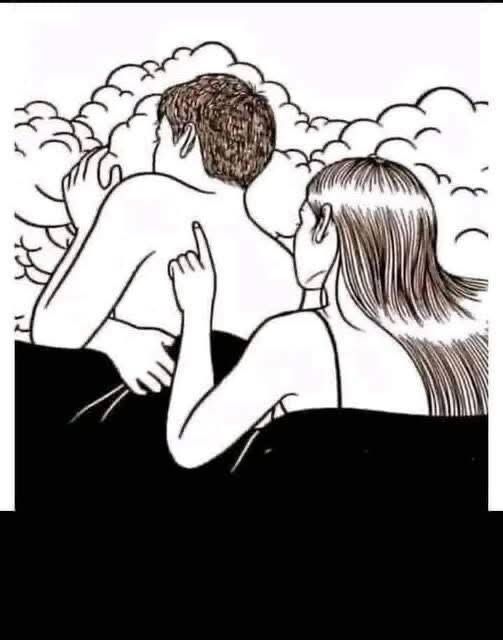
Why Your Partner Sleeps Facing Away from You
Sleep positions can sometimes reveal subtle insights into a relationship’s emotional dynamics. When your partner consistently faces away at night, it’s natural to wonder why. While it may feel like a sign of distance, experts say there are multiple possible explanations.
1. They Need Space—Literally
Sleeping back-to-back might simply be about comfort. Some people rest better with more room to stretch or with cooler air on their back. “We all have optimal sleep postures,” says Dr. Rebecca Robbins of Harvard. “Back-to-back doesn’t equal back-to-ignoring.”
2. Unresolved Tension
If this is a new change in behavior, it may reflect subconscious emotional distance. Couples therapist Dr. Gary Brown explains, “Avoiding face-to-face contact during sleep can mirror daytime withdrawal—especially after disagreements.”
3. Trust and Independence
Interestingly, studies show that back-to-back sleeping with light contact—called the “liberty lovers” position—often signals a healthy balance. It suggests trust, closeness, and independence coexisting in the relationship.
4. Personal Sleep Habits
Some people naturally shift positions during the night due to restlessness, temperature changes, or health issues. These shifts may have nothing to do with emotional state.
5. Stress and Mental Load
High stress or mental fatigue can impact how people sleep. Facing away might be a subconscious way of seeking personal recharge time.
6. Physical Comfort Issues
Neck pain, sinus problems, or light sensitivity can influence sleeping direction. Comfort needs often outweigh symbolic meanings.
7. Communication Matters
If sleeping positions spark worry, experts recommend gentle, open conversations. Assumptions can create more distance than the sleep posture itself.
8. Bottom Line
Facing away in bed isn’t automatically a sign of trouble. Sometimes, it’s just about finding the most restful position for a good night’s sleep—together.
