More than three decades after her name became one of the most recognizable in American political history, Monica Lewinsky is once again speaking openly about the scandal that changed her life forever.
Now 51, Lewinsky is reclaiming her story on her own terms, reflecting on the relationship with former President Bill Clinton that thrust her into the center of a global media firestorm and left lasting consequences that she says still resonate today.
Appearing on Elizabeth Day’s podcast *How To Fail*, the former White House intern offered a candid look back at the affair that dominated headlines in the late 1990s. At the time, Lewinsky was just 22 years old. Clinton was 49 and serving as President of the United States.
The revelation of their relationship sparked one of the most talked-about political scandals in modern history, leading to impeachment proceedings against Clinton and intense public scrutiny that fell overwhelmingly on Lewinsky.
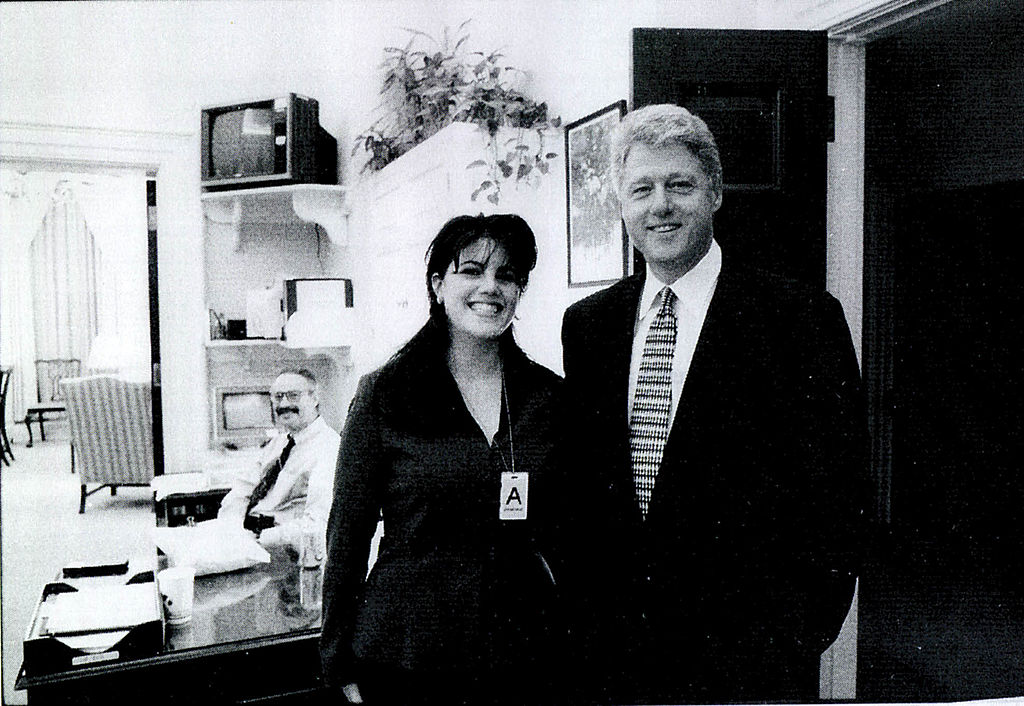
Looking back, Lewinsky described her feelings at the time as genuine and deeply emotional.
“It was 22 to 24-year-old young woman’s love,” she said. Continue Reading ⬇️
sShe acknowledged that her perspective has evolved over the years.
“I think there was some limerence there and all sorts of other things, but that’s how I saw it then. I think it was also an abuse of power.”
While Lewinsky has spent years reflecting on the relationship itself, she says one of the most painful parts of the aftermath was the way she was portrayed publicly.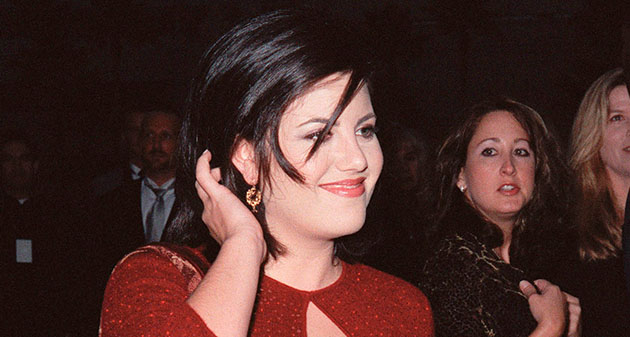
Fresh out of college, she had landed what many young people would consider a dream opportunity working at the White House. Instead of becoming the start of a promising career, the scandal dramatically altered the course of her life.
“My very first job out of college was working in the White House,” she explained.
“I don’t think that’s the kind of trajectory that someone thinks then 10, 12 years later, that person’s not going to be able to get hired.”
According to Lewinsky, the public narrative surrounding her was shaped in ways that were both damaging and difficult to escape. She was frequently labeled with derogatory terms and reduced to stereotypes that followed her for years.
“I wasn’t a dumb bimbo. I was portrayed to be, and that was a big struggle for me to deal with that.”
She noted that much of the criticism came from women as well, despite what she believes was a narrative crafted and promoted by political operatives.
