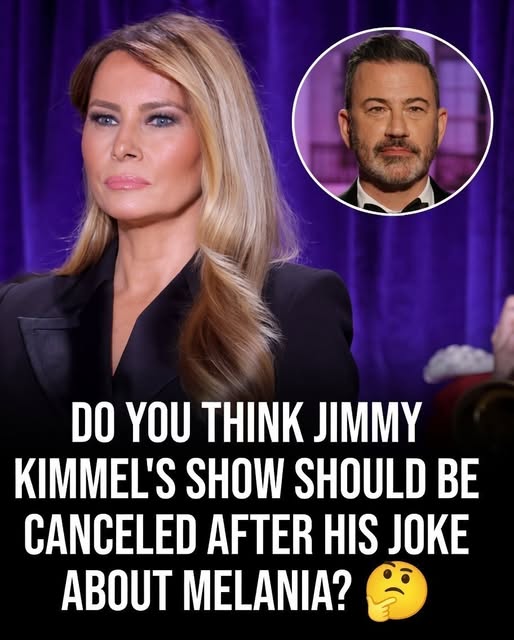
Melania Trump has publicly criticized late-night television host Jimmy Kimmel following controversial remarks made during a recent episode of Jimmy Kimmel Live!. The comments quickly sparked backlash across political and media circles, especially given the tense political climate surrounding the 2026 election season.
During his opening monologue, Kimmel joked about the relationship between Donald and Melania Trump, referring to the former First Lady as an “expectant widow.” While the studio audience reacted with laughter, the remark rapidly spread online, where critics labeled it insensitive and inappropriate.
The controversy intensified only days later after a security scare near the annual White House Correspondents’ Dinner in Washington, D.C. Reports of gunfire near a security checkpoint triggered panic and an immediate emergency response. Secret Service agents reportedly escorted former President Donald Trump to a secure location while attendees inside the venue were temporarily placed on alert. Although authorities later clarified the situation and confirmed there was no direct threat to the event, the timing fueled renewed scrutiny of Kimmel’s earlier remarks.
In a strongly worded response, Melania Trump condemned the comedian’s comments, accusing him of contributing to what she described as a culture of “hateful and divisive rhetoric.” Sources close to the Trump family claimed Melania was deeply disturbed not only by the joke itself, but also by what she believes is a growing normalization of hostility toward public figures and their families.
According to those sources, Melania referred to Kimmel as a “coward,” criticizing him for using his national television platform to mock political figures in a way she believes deepens division in the country. She has reportedly become increasingly concerned about the tone of public discourse in America amid rising political tensions, protests, and ongoing security concerns involving high-profile leaders.
Donald Trump also responded publicly, stating that the joke “crossed the line” and should never have aired. He accused major media companies and entertainment networks of permitting attacks on conservatives under the guise of comedy. Trump specifically questioned why executives at ABC allowed the segment to be broadcast, arguing that media organizations should be more responsible when handling jokes involving violence or death.
Supporters of the former president echoed those criticisms online, with many arguing that late-night comedy has become increasingly partisan in recent years. Several conservative commentators described the joke as “dangerous,” particularly given the already heightened political atmosphere in the United States.
Others, however, defended Kimmel and pointed out that political satire has long been a staple of American entertainment. Supporters of the comedian argued that late-night hosts across the political spectrum regularly use exaggeration and dark humor to critique public figures and controversial issues.
Kimmel later addressed the backlash during a follow-up segment on his show, insisting his comments were being misinterpreted. He denied encouraging violence or wishing harm on Melania Trump, explaining that the joke was intended as satire about public perceptions of the Trump marriage and their well-known public image.
The comedian also rejected claims that entertainers should be blamed for broader political hostility, warning against efforts to silence comedians over controversial material.
Still, the incident has reignited a wider national debate about the limits of political humor during periods of heightened political division. Critics argue that jokes involving death or violence can become especially inflammatory in an already tense environment, while defenders of satire caution against restricting comedy based on political outrage.
The clash between Melania Trump and Jimmy Kimmel reflects a broader cultural divide in America, where entertainment, politics, and media continue to overlap more than ever before. What began as a late-night joke has evolved into a larger conversation about media responsibility, free speech, and the increasingly blurred line between comedy and political discourse.
As the debate continues across television, news outlets, and social media, the controversy highlights just how quickly a single comment can escalate into a nationwide discussion about politics, public safety, and the future of political satire in America.
